
How to Clean Your Suction Vibrator: A Complete Hygiene Guide for 2026
Suction vibrators sit against your most sensitive tissue. The same design that creates intense pleasure—a small chamber that hugs the clitoris—also traps fluids, lubricant residue, and skin cells in a place that’s awkward to reach. If you’ve ever wondered whether you’re cleaning yours correctly, the answer is almost certainly not quite.
This guide walks you through every step of cleaning a suction or air pulse vibrator the right way: what cleaner to use, how to dry the suction head without trapping moisture, and the storage habits that quietly extend your toy’s life from one year to five. Whether you own a Womanizer, a Satisfyer, a Lovense Tenera 2, or a LELO Sona, the principles are the same.
Why Suction Vibrators Need Extra Care
A traditional vibrator is essentially a closed silicone rod. Rinse it, soap it, dry it, done. Suction toys are different. The business end has a small intake chamber—the “nozzle”—that pulses air to create the suction effect. That chamber:
- Traps moisture because it sits in a confined cavity
- Collects bodily fluids and lubricant more efficiently than an open surface
- Hides residue where you can’t see it without removing the head
Result: improperly cleaned suction toys are the most common cause of bacterial growth, silicone degradation, and that faintly sour smell that means your toy has crossed a line you can’t uncross.
The good news: cleaning a suction vibrator correctly takes about three minutes per use. The bad news: most people skip half the steps.
What You’ll Need
Before your first deep clean, gather:
| Item | Purpose | Notes |
|---|---|---|
| Mild antibacterial soap | Daily cleaning | Unscented, dye-free (Dr. Bronner’s Baby is a popular choice) |
| 70% isopropyl alcohol | Disinfection of non-silicone parts | Never use on silicone for daily cleaning |
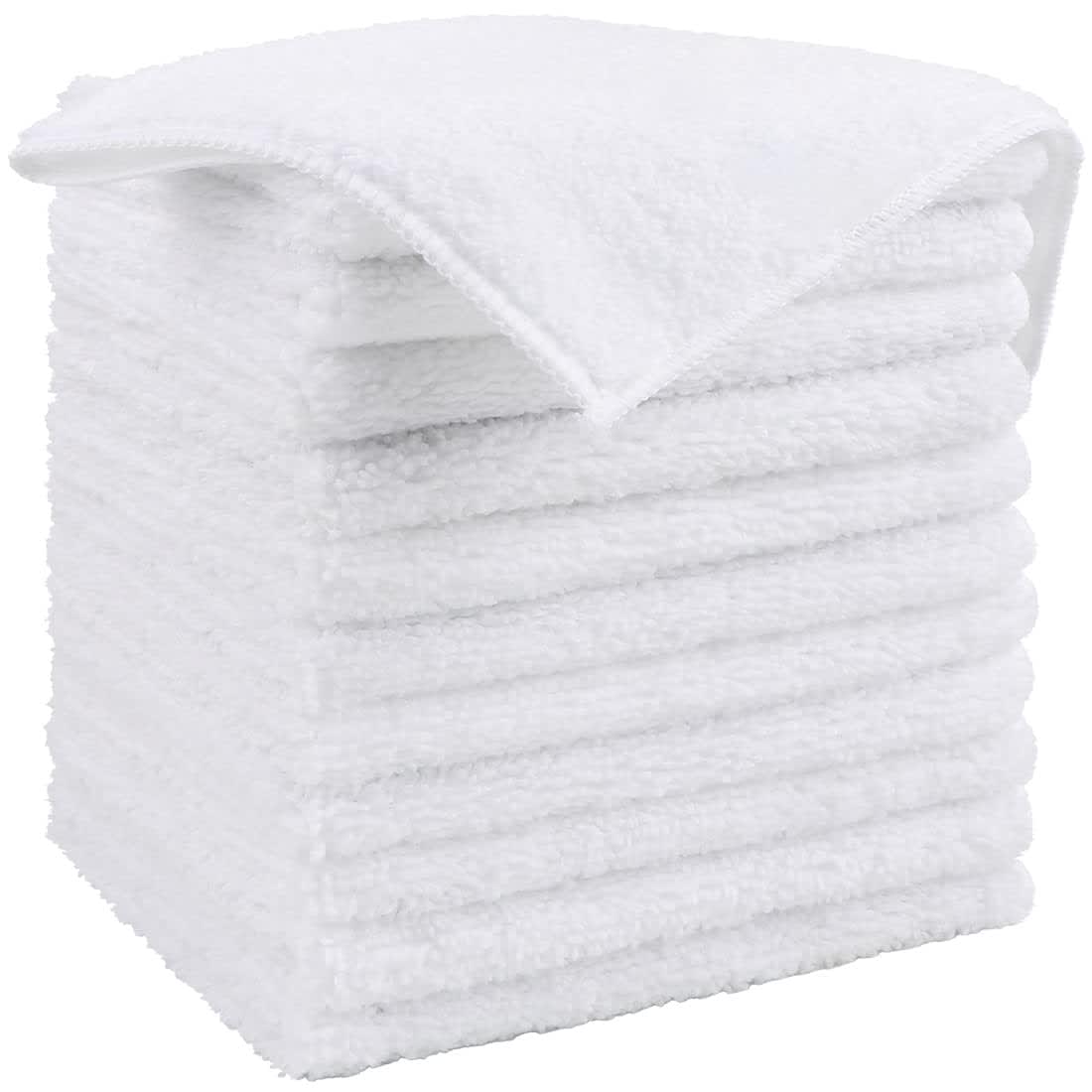
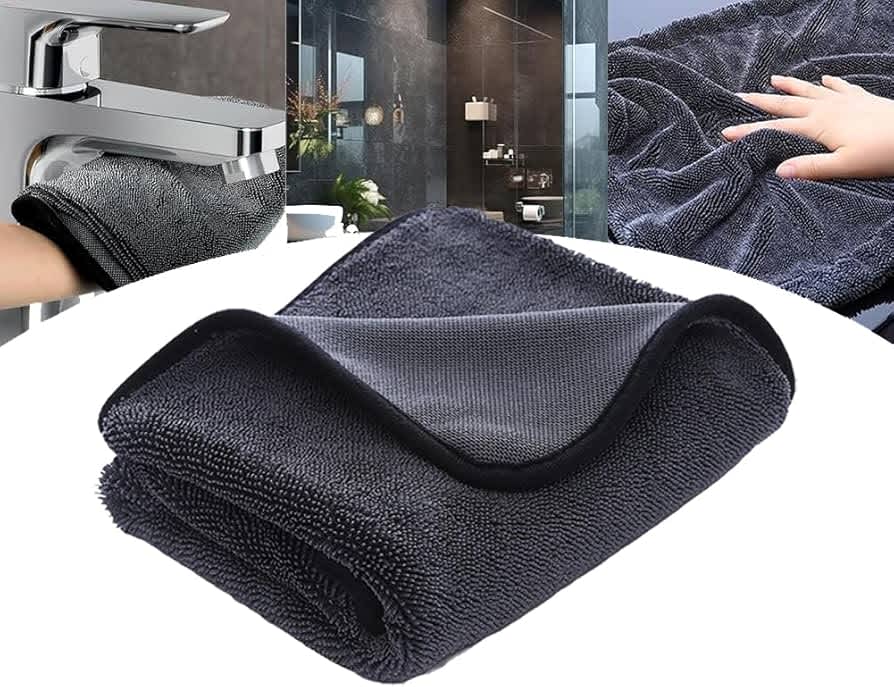
| Lint-free microfiber cloth | Drying | Avoid paper towels—they shed fibers into the nozzle |
| Cotton swabs | Nozzle and crevice cleaning | For removing residue from inside the head |
| Distilled water | Final rinse for soft water | Tap water minerals can leave residue |
| Optional: dedicated sex toy cleaner | Convenience | Look for pH-balanced, alcohol-free formulas |
You don’t need anything specialty. The most important factor isn’t the brand of soap—it’s whether you do every step every time.
The 5-Step Cleaning Method
Step 1: Power off, separate components
Turn the device off and unplug from charging. If your model has a removable suction head (most modern Womanizer and LELO models do), pop it off following the manufacturer’s instructions. Lovense Tenera 2, Womanizer Premium 2, and many other premium models have replaceable heads precisely because hygiene improves dramatically when you can clean both pieces separately.
If the head is fixed, no problem—you’ll just need to be more careful in step 3.
Step 2: Pre-rinse under warm running water
Rinse the head and body under warm (not hot) running water for 15–20 seconds. This flushes out the bulk of fluids and lubricant before soap touches the surface. Skip this step and you’re essentially smearing residue around instead of removing it.
Critical: Most suction vibrators are rated IPX7 (fully submersible) or IPX5 (splash-resistant). Check your specific model. If yours is splash-resistant only, keep the charging port and any seams away from direct water flow.
Step 3: Soap the silicone surface (and only the silicone surface)
Apply a small drop of mild antibacterial soap to your fingers and work it into the silicone surface—body, neck, and the outside of the suction head. Use gentle circular motions for at least 20 seconds (the same time you’d wash your hands for hand hygiene).
For the nozzle interior: dip a cotton swab in soapy water and gently rotate it around the inside of the suction chamber. Don’t push too deep—you can dislodge the internal membrane on cheaper toys. One gentle pass is enough.
Avoid:
- Soap on charging ports or USB-C contacts
- Abrasive sponges (they create micro-scratches in silicone where bacteria colonize)
- Antibacterial sprays meant for kitchens (residue is not body-safe)
Step 4: Rinse thoroughly, then rinse again
This is where most people fail. Suction toys hold soap residue in the nozzle even after a thorough rinse. Soap residue causes two problems: it irritates sensitive tissue on next use, and it builds up into a film over time that degrades silicone elasticity.
The fix: rinse under warm running water for at least 30 seconds, with the nozzle pointed in different directions so water flushes the chamber from multiple angles. If you live somewhere with hard water, do a final rinse with a splash of distilled water to prevent mineral spots.
Step 5: Dry properly—this is non-negotiable
Pat the toy dry with a lint-free microfiber cloth. Then leave it standing upright (nozzle pointed down on a clean dry cloth) for at least 30 minutes before storing.
The most common storage mistake: putting a still-damp toy back in its case or pouch. Moisture trapped in the suction chamber breeds bacteria within hours. If your toy comes with a fabric storage pouch, the pouch needs to be dry too.
Bonus step for deep clean (weekly or after a sick day): Once the toy is fully dry, wipe the non-silicone parts only (charging port plug, hard plastic accents) with 70% isopropyl alcohol on a cotton swab. Never use alcohol directly on silicone—it dries the material and accelerates aging.
What About Boiling, Dishwasher, or UV Sanitizers?
You’ll see all three recommended in random Reddit threads. Here’s the real verdict:
Boiling: Only safe for 100% silicone toys without batteries or motors. Almost no modern vibrator qualifies—the electronics will fail. Don’t.
Dishwasher: Same problem. Detergent residue is also not body-safe. Don’t.
UV-C sanitizing cases: Genuinely effective at killing surface bacteria, and a worthwhile add-on if you use your toy frequently. Look for cases with FDA-cleared UV-C wavelength (254nm) rather than cheap blue LED imitations. They don’t replace soap-and-water cleaning, but they’re an excellent supplemental step.
Storage Habits That Extend Toy Life
Even perfectly cleaned toys deteriorate quickly when stored badly. Three habits that matter:
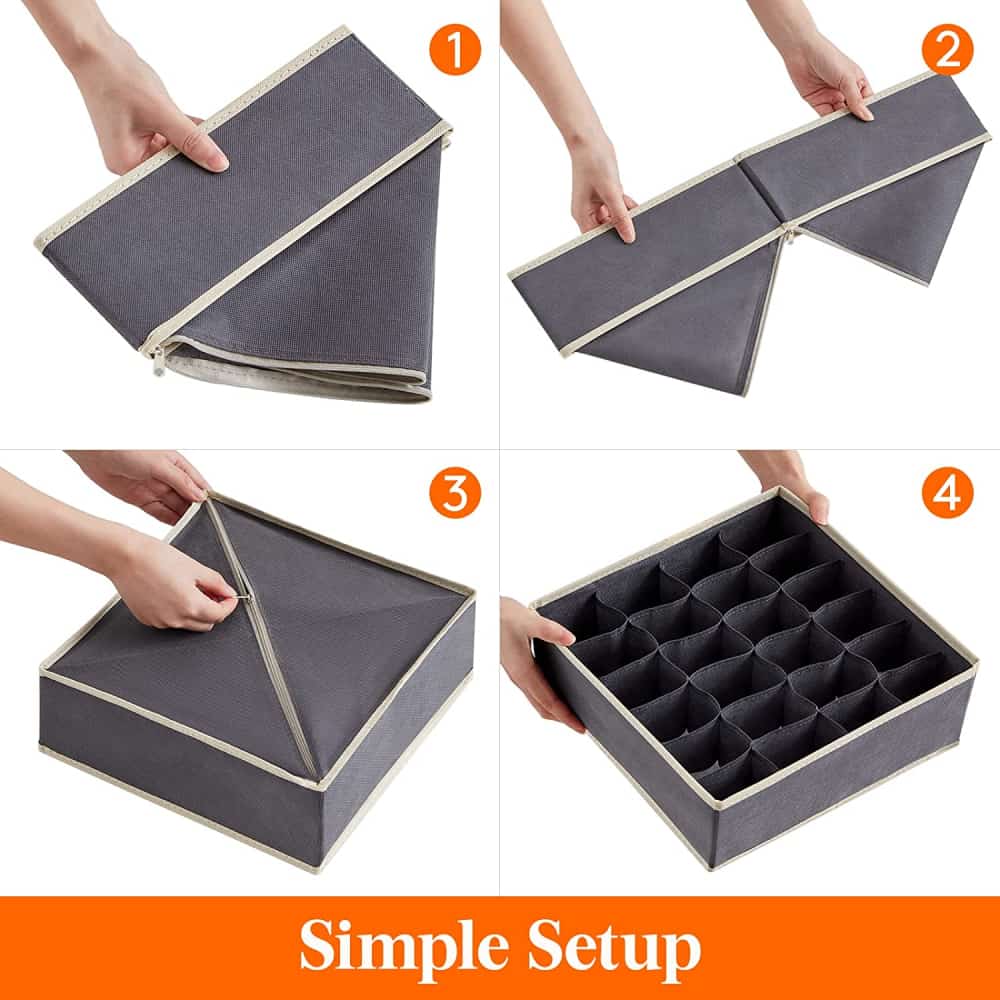
- Store toys separately. Two silicone surfaces touching can cause material transfer where they bond together over time. Use individual fabric pouches or dividers.
- Cool, dry, dark location. Heat accelerates silicone breakdown; UV light degrades the surface; humidity invites bacteria. A bedside drawer is fine. A bathroom cabinet is not.
- Charge before storage, not during. Lithium batteries last longer when stored at 50–80% charge, not fully topped up. Avoid leaving toys plugged in indefinitely.
Cleaning Frequency Quick Reference
| Use case | Cleaning protocol |
|---|---|
| Solo use | Full 5-step clean after every session |
| Partner use | Full 5-step clean immediately, plus a deep clean weekly |
| Shared between partners | Use a barrier (condom) or sanitize between users with alcohol on non-silicone parts |
| Travel | Always carry in a dedicated dry pouch; full clean before reuse |
| Long-term storage (3+ weeks) | Deep clean before storing, deep clean again before next use |
When to Replace a Suction Vibrator
Even with perfect care, suction toys have a usable life of roughly 2–5 years depending on usage. Replace yours when you notice:
- Silicone becoming sticky, tacky, or shiny in patches (material breakdown)
- Suction weakness even after cleaning the nozzle
- Persistent odor that doesn’t go away with deep cleaning
- Battery life dropping below 50% of original capacity
- Any visible cracks, especially around seams
Cheap suction toys (under $30) typically last 12–18 months with regular use. Premium models from Womanizer, LELO, and Lovense with replaceable heads can stretch to 4–5 years if you actually replace the heads every 6–12 months as the manufacturer recommends.
A Quick Note on Body-Safe Materials
Cleaning matters most when your toy is made from genuinely body-safe materials in the first place. If you’re shopping for a new suction vibrator, prioritize medical-grade silicone (sometimes labeled “platinum-cure silicone”) and look for explicit phthalate-free certification. Cheaper TPE/TPR toys are porous at a microscopic level—no amount of cleaning will fully sanitize them.
For a deeper dive into materials, see our Body-Safe Vibrators Guide, which covers the certifications worth looking for and the red flags to avoid.
The Bottom Line
A suction vibrator is one of the most intimate products you’ll own. Treating its cleaning routine like an afterthought—or skipping the drying step because you’re tired—is the fastest way to ruin both the toy and your experience.
Three minutes of careful cleaning after every use, plus mindful storage, costs nothing and pays back in years of reliable performance. Your future self (and your body) will thank you.
Have a specific toy model you’d like care guidance for? Let us know in the comments—we’ll add it to the next update of this guide.