
A Consumer Guide to Staying Safe — Without Killing the Mood
Smart Vibrators Are Clever. Your Privacy Choices Should Be Too.
Introduction: When Pleasure Meets Permission Requests
Smart sex toys have come a long way. In 2025, app-controlled vibrators can sync with music, respond to touch patterns, enable long-distance intimacy, and remember your favorite settings better than your streaming service remembers your favorite shows.
But there’s a less sexy side to this innovation.
Behind every “connect to app” button is a set of permissions, data flows, and privacy decisions most consumers never stop to question. And yet, these apps often handle some of the most intimate behavioral data imaginable.
This guide exists to answer a simple but critical question:
Is my app controlled vibrator safe — not just physically, but digitally?
We’ll break down real risks, explain the minimum permission principle using clear (and occasionally humorous) examples, and empower you to choose smarter — without needing a law degree or cybersecurity background.

1. What Data Do Smart Vibrator Apps Actually Collect?
Let’s start with a reality check.
A modern smart vibrator app may collect:
- Device identifiers
- Usage frequency and session duration
- Mode preferences and intensity levels
- Connection diagnostics (Bluetooth data)
- Optional account information (email, username)
That alone already qualifies as sensitive personal data.
But some apps go further — far further than necessary.
1.1 Overcollection: The Real Risk
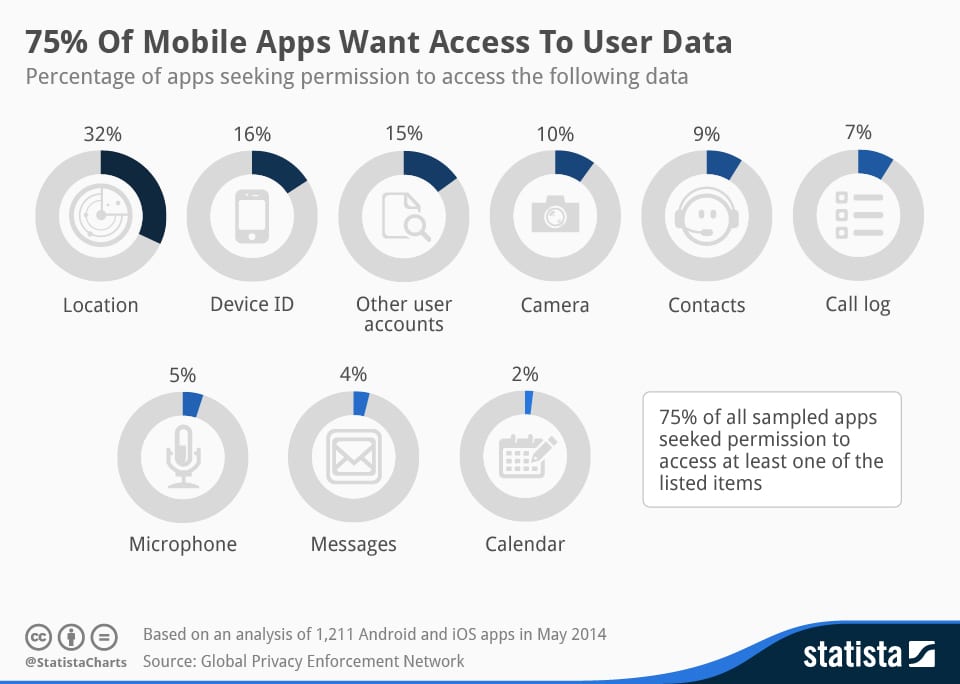
Privacy risks arise when apps collect data not required for core functionality, such as:
- 📍 Location data (precise or approximate)
- 📇 Contacts or social graph
- 🎤 Microphone access
- 📷 Camera access
- 🧠 Behavioral analytics tied to identity
The more data collected, the greater the damage if:
- Data is leaked
- Data is sold
- Data is subpoenaed
- Data is misused internally
And yes — history shows this does happen.
2. The Minimum Permission Principle (Explained Like a Normal Human)
2.1 What Is the Minimum Permission Principle?
The minimum permission principle means:
An app should request only the permissions strictly required to perform its core function — nothing more.
No bonuses. No “just in case.” No “for future features.”
2.2 The Golden Question to Ask Every Permission
What breaks if I say “No”?
If the answer is “nothing important,” the permission is unnecessary.
3. “【7,6 cm】Why Does My Vibrator App Want That?”
Real Examples (With Humor, Because We All Need It)
Let’s apply the principle with common (and ridiculous) permission requests.
🎤 Microphone Access
Question: Why does my vibrator need to hear me?
- Valid reasons:
- Voice control features (rare)
- Sound-reactive vibration (clearly explained)
- Red flag reasons:
- “For analytics”
- “To improve user experience”
Your pleasure device does not need to listen to your conversations.
📷 Camera Access
Question: Is my vibrator planning to take selfies?
- Valid reasons:
- QR code scanning during setup (temporary access)
- Red flag reasons:
- Continuous camera permission
- No clear explanation
If the app doesn’t visually interact with the world, it doesn’t need eyes.
📍 Location Access
Question: Does my vibrator need to know where I am emotionally… or geographically?
- Valid reasons:
- Bluetooth pairing (approximate location on Android)
- Red flag reasons:
- Precise GPS tracking
- Background location access
Your orgasm does not depend on latitude and longitude.
📇 Contacts Access
Question: Is my vibrator trying to make friends?
- Valid reasons:
- Explicit partner-sharing features (opt-in)
- Red flag reasons:
- “Find friends”
- “Invite contacts automatically”
Your pleasure is personal. Your contact list should stay that way.
4. Reading Privacy Policies Without Crying (Or Falling Asleep)
Privacy policies are infamous for being long, boring, and vague — but you don’t need to read every word.
4.1 The 5-Minute Privacy Policy Scan
Look specifically for:
- What data is collected
- “Usage data”
- “Device information”
- “Location data”
- How data is used
- Functional vs marketing vs analytics
- Who data is shared with
- Third-party advertisers?
- “Business partners” (vague = bad)
- Data retention
- How long is it stored?
- Can you delete it?
- Account deletion
- Is deletion permanent or partial?
If a policy avoids specifics, uses excessive legal fog, or hides behind “we may,” caution is advised.
5. App-Controlled Vibrator Safety: What Trustworthy Brands Do Differently
When evaluating whether an app controlled vibrator is safe, brand behavior matters as much as product design.
5.1 Trust Signals to Look For
Responsible brands typically:
- Explain why each permission is needed
- Allow limited functionality without account creation
- Support offline or local-only modes
- Offer transparent privacy documentation
- Update apps regularly for security fixes
Brands such as biozzing rhapsody smart vibrators, for example, emphasize functional necessity over data hunger, which aligns with consumer trust expectations in 2025.
(Brand mention here reflects positioning, not endorsement.)
6. Red Flags That Should Kill the Mood Immediately
If you notice any of the following, pause before proceeding:
- 🚩 App requires login before basic use
- 🚩 No privacy policy or outdated policy
- 🚩 Permissions unrelated to core function
- 🚩 Forced cloud sync with no opt-out
- 🚩 No clear customer support channel
Remember: A trustworthy brand has nothing to hide.
7. Practical Consumer Safety Checklist (Bookmark This)
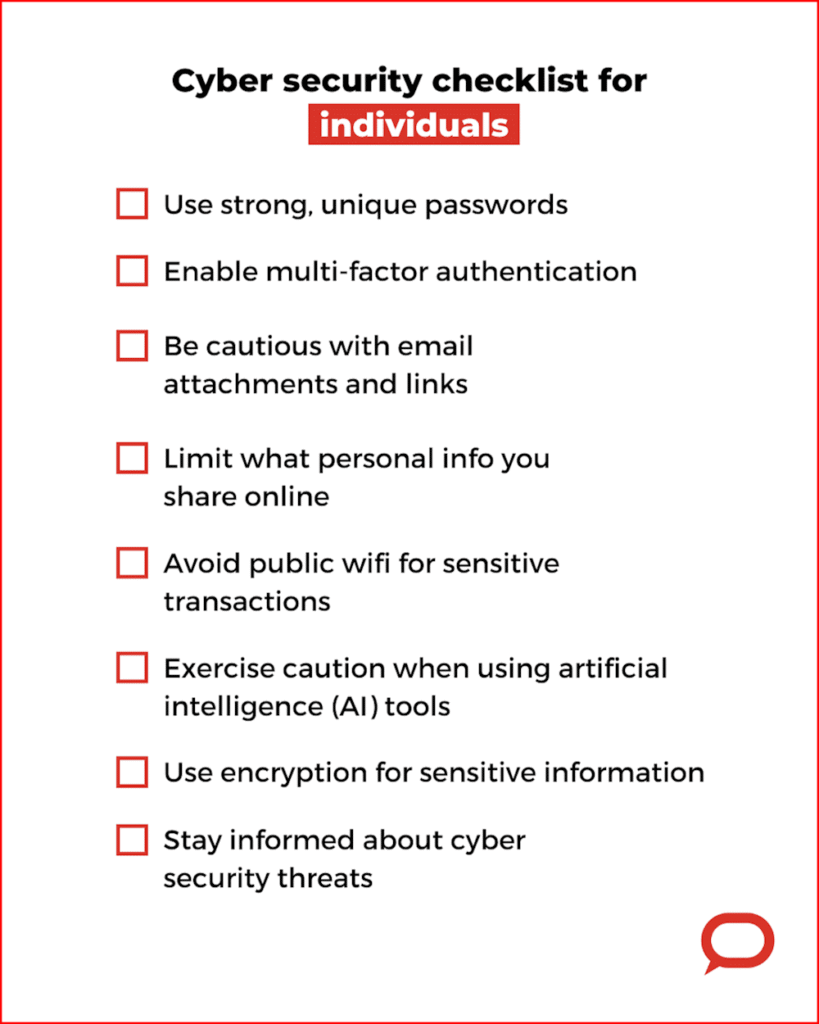
Before installing any smart vibrator app:
- ✅ Review permissions one by one
- ✅ Deny anything unnecessary
- ✅ Use guest mode if available
- ✅ Avoid linking social accounts
- ✅ Update firmware regularly
- ✅ Recheck permissions after updates
- ✅ Delete unused accounts
You’re not being paranoid — you’re being responsible.
8. The Big Picture: Pleasure, Power, and Control
Smart sex toys are not just gadgets — they are interfaces between your body and technology.
In 2025, digital trust is part of sexual wellness.
Understanding privacy doesn’t reduce pleasure. It protects it.
The most empowering choice isn’t the strongest vibration mode — it’s knowing:
- What your device knows about you
- Who else might know
- And how to stay in control
Conclusion: Smart Choices Are the Sexiest Feature
The future of smart vibrators is exciting, innovative, and deeply personal. But innovation without responsibility creates risk.
By applying the minimum permission principle, learning how to scan privacy policies, and choosing brands that respect boundaries, consumers can confidently enjoy technology that enhances intimacy — without compromising safety.
Because the only thing your vibrator should control… is itself.